A group that meets on a fixed day
Weekly walks, craft mornings and board game afternoons run to a set time, so you always know when the next one is. A standing appointment is often the thing that gets people out of the house.
If you have just handed in your notice, or you are counting down to it, the first quiet Tuesday can come as a surprise. The directory exists for that morning: a plain list of groups that meet in halls, libraries and community rooms, with the details that decide whether you can actually get there.
Nothing here asks you to sign up, pay a membership or commit to a season. You read a listing, you phone the number on it, and you find out whether the group suits you. That is the whole arrangement.
Not sure where to begin? The first steps page walks through reading a listing, and the contact page is there if you would rather ask a question first.
Weekly walks, craft mornings and board game afternoons run to a set time, so you always know when the next one is. A standing appointment is often the thing that gets people out of the house.
Listings carry the practical lines: step-free entrances, nearby bus stops, parking, and how far the walk from the car actually is. You can rule a venue in or out before leaving home.
Most entries name the person who runs the group. A short call settles what to bring, whether there is a shared tea fund, and whether anyone travels from your side of town.
Start with what is close. A gardening collective or book exchange two streets away is easier to keep up than a better-sounding one across the city.
If you already attend something that is not listed, you can send the details in and have it added, so the next person finds it more easily.
There is nothing to register for and no automatic follow-up. You decide how much contact you want, and you can simply stop reading if a group is not for you.
If you have just stopped working, or you are close to it, the week can suddenly look very open. The directory gathers the kind of regular groups that fill an ordinary Tuesday morning: a walk, a table of cards, a shelf of books, a hall where people bring their sewing. Every entry is written so you can judge it from your kitchen table before you commit to anything.

Steady loops, usually an hour, often with a bench halfway and a clear meeting point. Listings note whether the route is level, shaded, and where the group gathers.
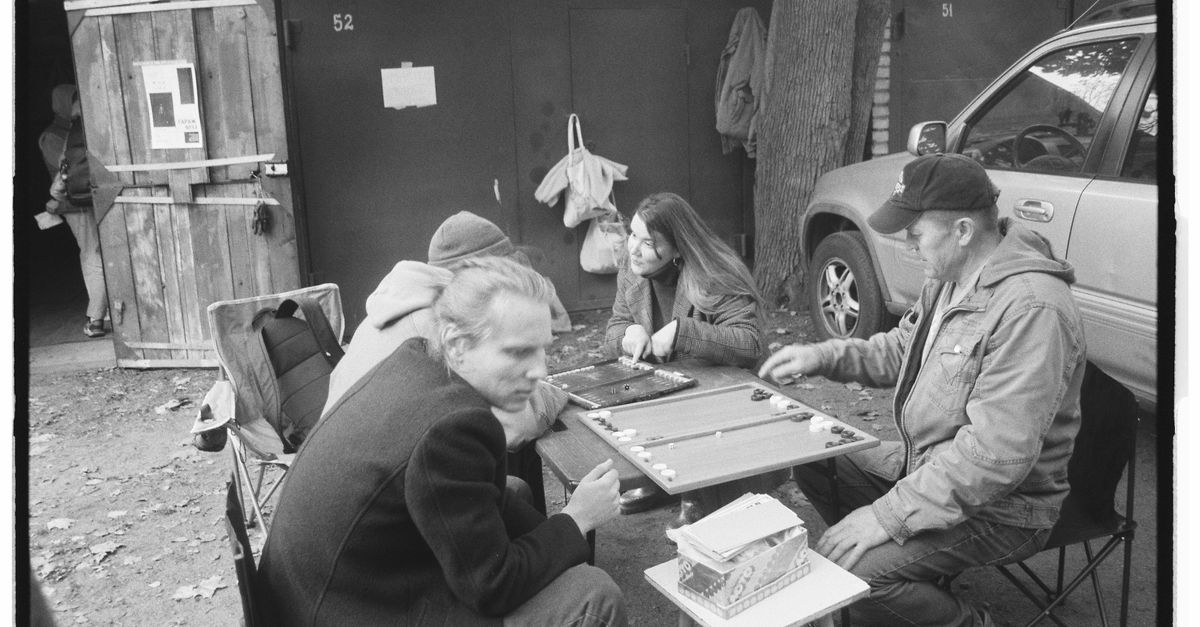
Tables that rotate the game each week, with large-print cards and rules explained in a couple of minutes. Good for mixed ages and mixed eyesight.

Often a side room in a public library, with a shelf members keep stocked themselves. Bring a book, stay an hour, and see who else turns up.

Sewing, woodwork, painting, model making, whatever the group has settled on. Check whether you bring your own materials or chip in for shared supplies.

Short, defined tasks rather than an open-ended commitment: a morning at a collection point, an hour of driving, a few afternoons reading with children. Ask what a slow day looks like.

Each listing carries transport notes: bus routes, parking, step-free entrances, and whether members share lifts. Plan the trip home too, not only the way out.
Every entry also names who to phone, so you can ask about access and timing before your first visit. If a group you attend is missing, you can suggest it.
How a listing gets added Suggest a clubWe keep a small amount of information in your browser so the site works the way you expect on repeat visits. Nothing here tracks you across other websites, and you can change your mind at any time. Read the details in our privacy policy.